









I. Structure of the corner grinding
1.1 Structural Diagram

Figure 1: Structural schematic diagram of the machine
1: Workpiece placement platform
2: Equipment control box
3: Foot pedal switch
4: Abrasive disc storage box
5: Main equipment body
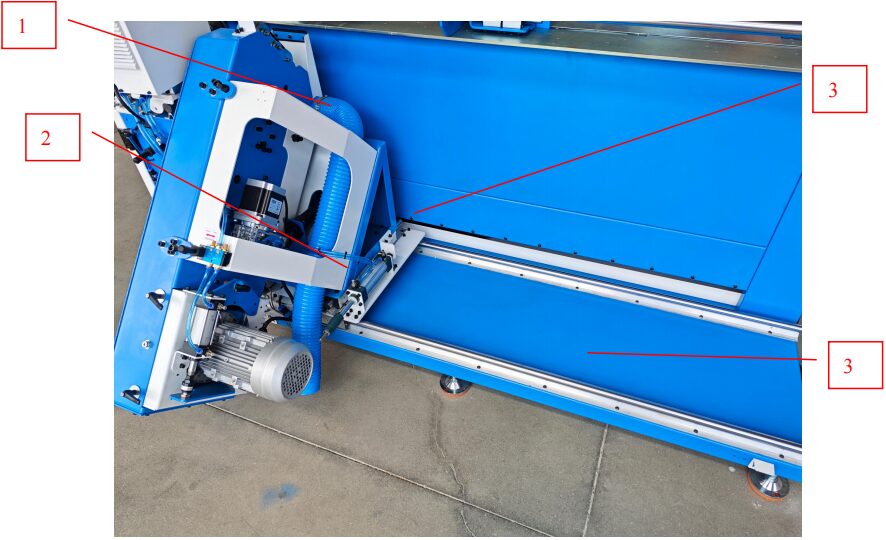
Figure 2: Structural schematic diagram of the Machine
1: Vacuum hose
2: Air intake cylinder for the grinding head
3: Travel mechanism
4:Base
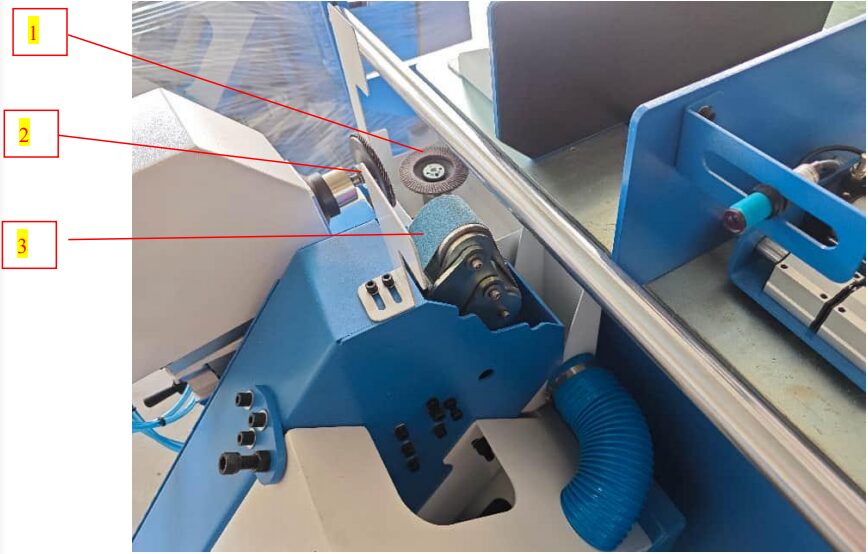
Figure 3 Schematic diagram of the structure of the Machine type grinding head
1: Lower grinding head 2: Upper grinding head 3: Main grinding head
II. Installation of the Machine
2.1 Disassembling the Packaging Box
(1) After removing the packaging box, extract the machine. Handle it gently during transportation to prevent physical damage caused by impact.
(2) Remove the packaging and organize it.
2.2 Placement Position and Installation
a) The back, left side, and right side of the machine must be at least 50 cm away from the wall. If a vacuum cleaning device is required, the distance should be determined based on its installation location (refer to Figure 2).
b) The floor where the machine is placed must be flat and dry. After installation, ensure the machine remains stable and that the workpiece mounting surface is level. Improper leveling can severely compromise mechanical performance and grinding efficiency; in severe cases, it may cause machine vibration or instability leading to collapse, resulting in personal injury or other hazards.
c) The device requires a gas supply (≤0.8 MPa).
d) The machine comes with a standard 2.5-meter power cord; unless an extension cord is used, it must be placed within reach of a three-phase power outlet.
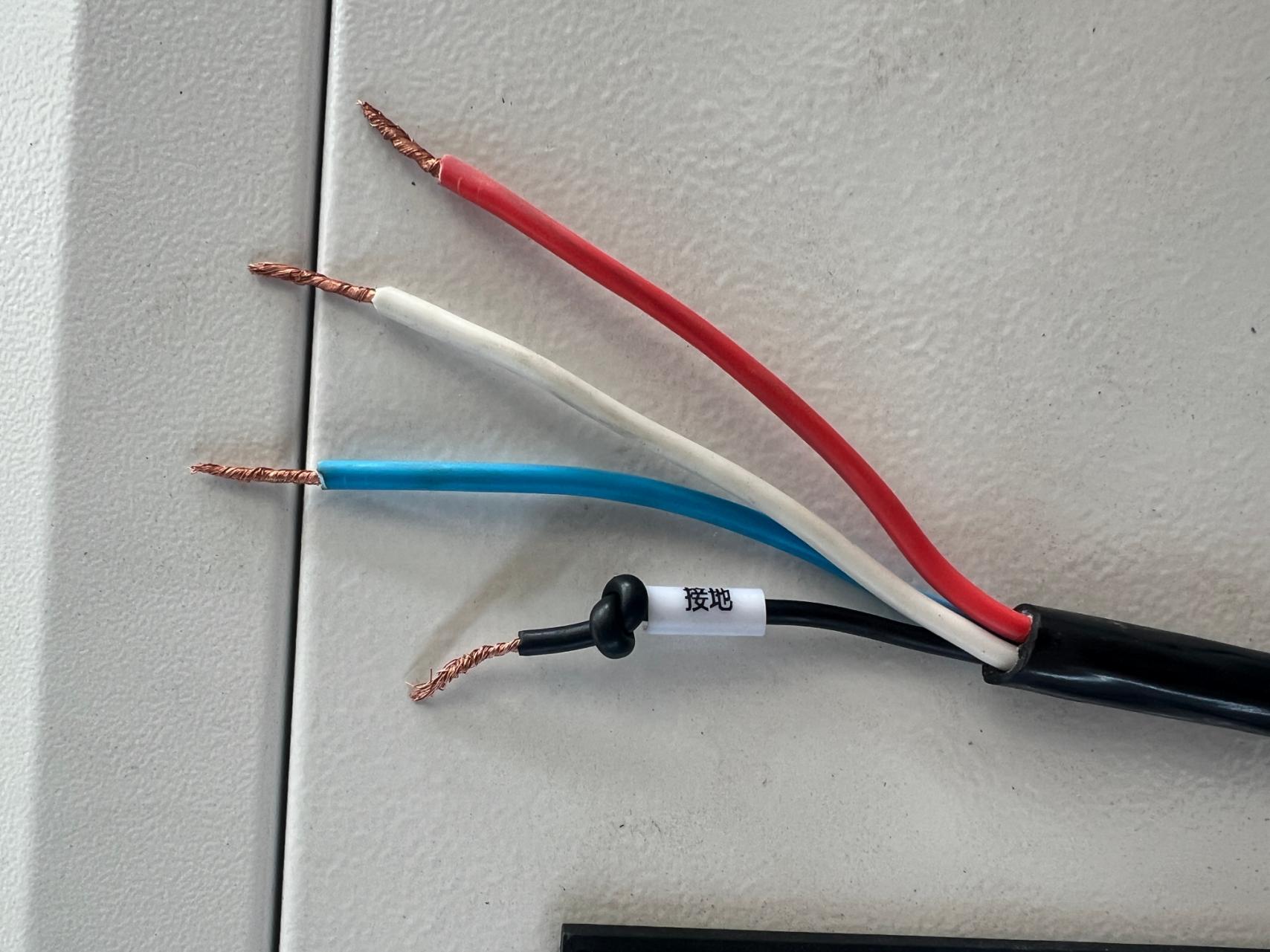
e) The machine must be strictly grounded!!!
f) A reliable grounding source is required.
g) Connect the machine's 380V three-phase four-wire power cable properly, with the fourth wire grounded as shown in the figure:
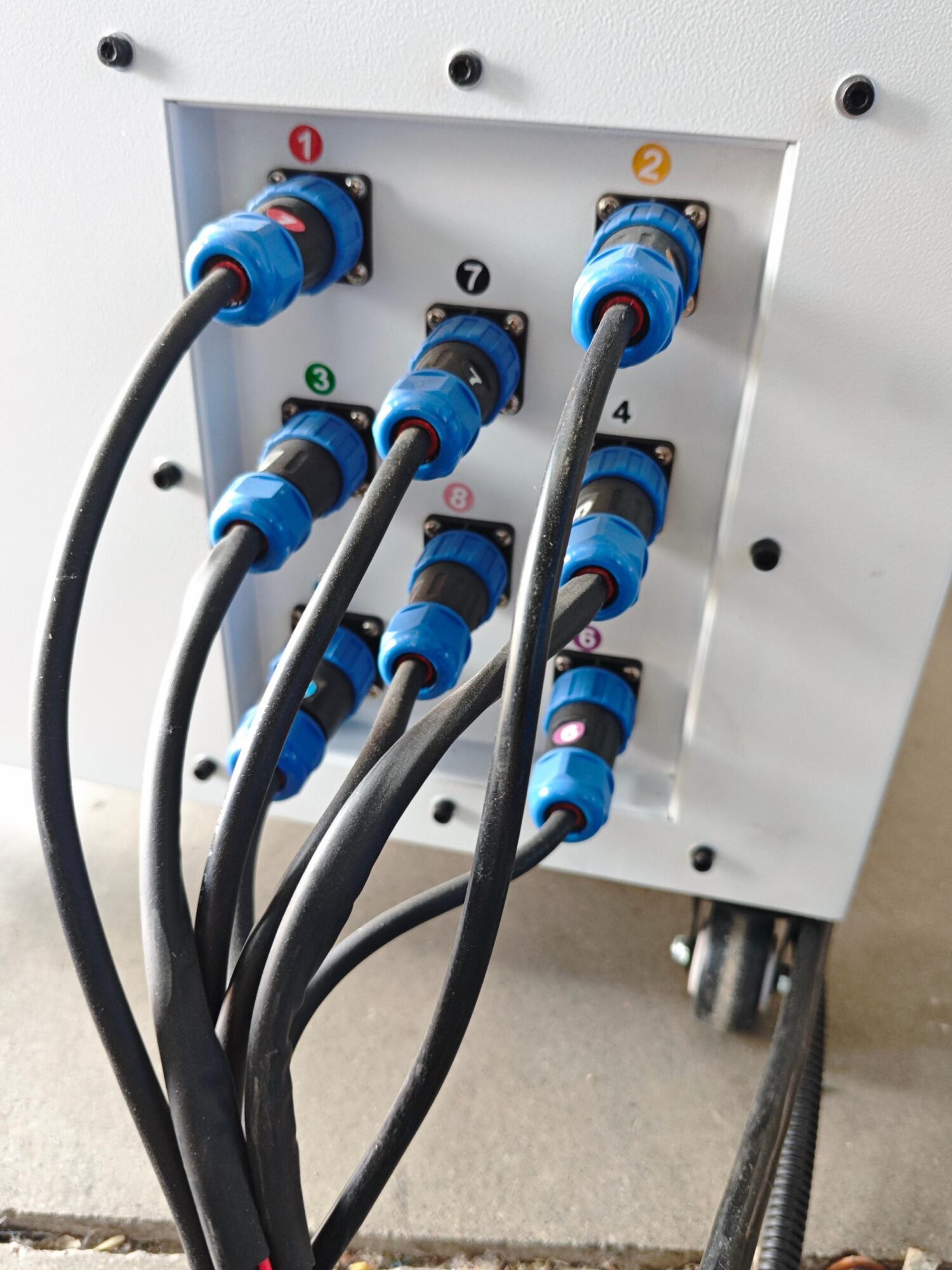
h) Aircraft plugs must be connected with matching pins; tighten the nut after installation!!!
III. Method for Replacing and Adjusting the Sand Belt Grinding Discs of the Machine
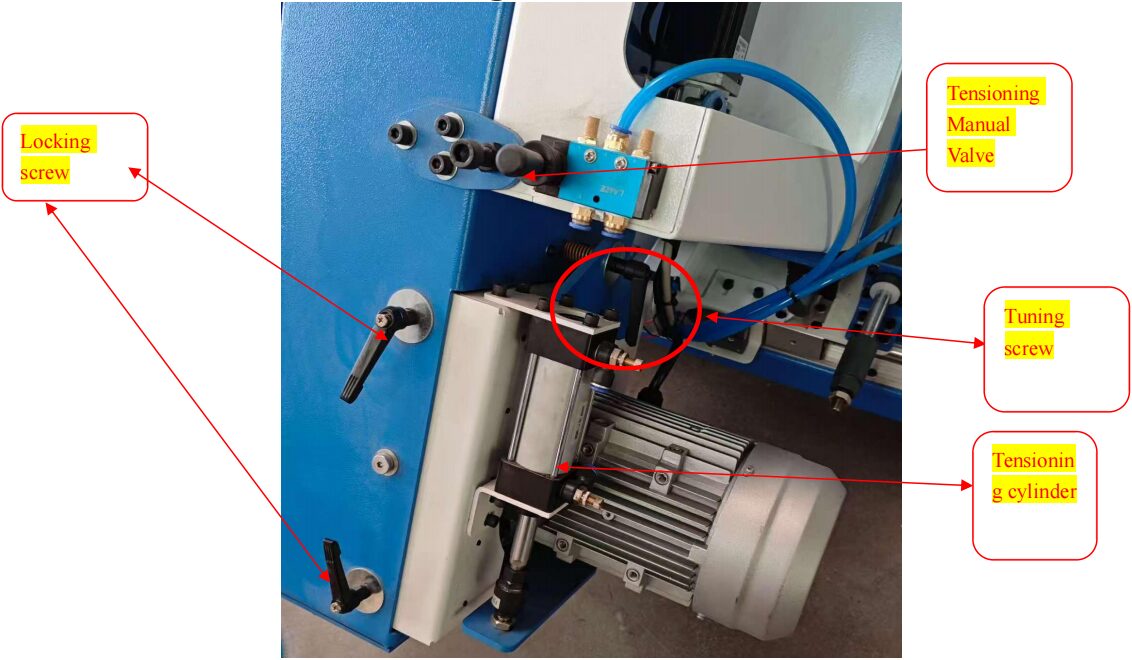
Figure 3-1 Sand Belt Tensioning Device
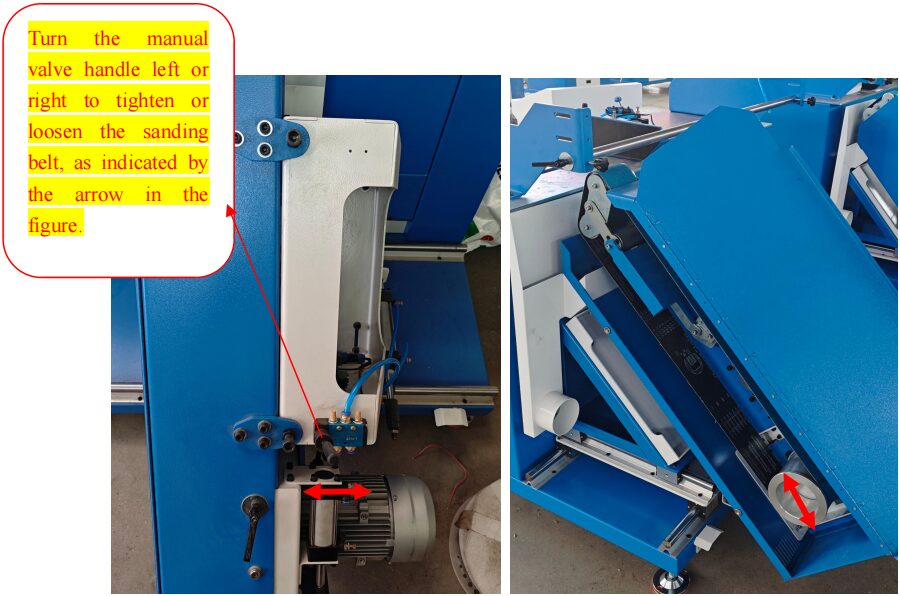
Figure 3-2: Diagram of sand belt tension adjustment
Sand Belt Replacement Procedure: 1. Turn off the power supply and operate the manual valve (Figure 3-3) to separate the two grinding heads, then open the cover on the main grinding head. 2. Turn the manual valve handle left or right (Figure 3-2); the main shaft of the sand belt rotation motor will move toward the worktable. 3. Remove the existing sand belt and replace it with a new one (pay attention to the directional arrow on the back of the sand belt; install it in the direction indicated in Figure 2).4. Turn the manual valve handle left or right again (Figure 3-2); the main shaft of the sand belt rotation motor will move away from the worktable, tensioning the new sand belt—this completes the replacement. Connect the power supply and activate the main shaft motor to start operation. 5. Adjust the sand belt tension using the pressure regulator; a pressure ≤0.15 MPa is optimal. (To determine proper tension: observe machine vibration and noise during belt rotation; the ideal position is when both noise and vibration are minimized.)
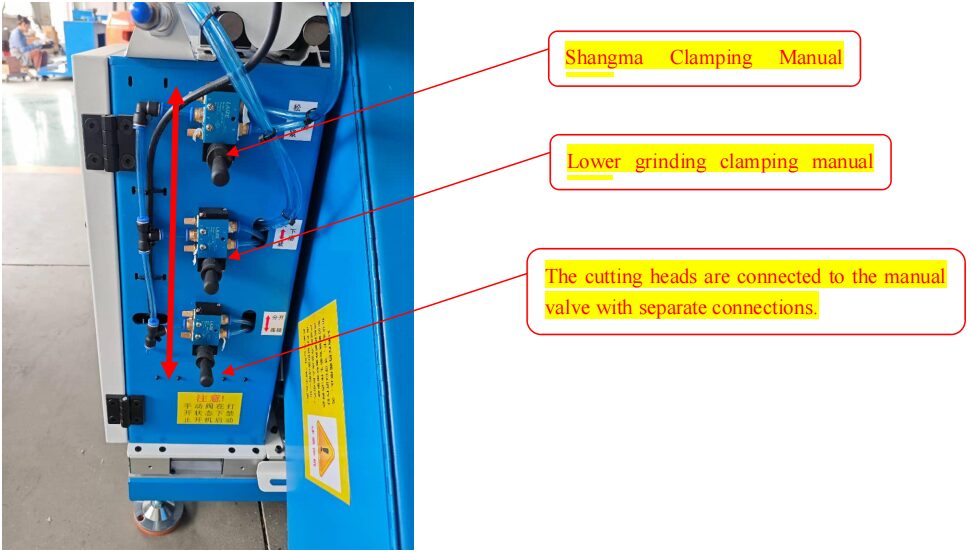
Figure 3-3 Schematic diagram of sample slide clamping
Method for replacing the grinding disc: 1. Turn off the power supply. 2. Turn the manual valve handle upward or downward (Figure 3-3) to release the disc holder. 3. Remove the existing grinding disc and insert the new one. 4. Turn the manual valve handle upward or downward (Figure 3-3) to complete the replacement. Then turn on the control power supply. (Note: After replacing the disc, always tighten the holder before starting operation.)
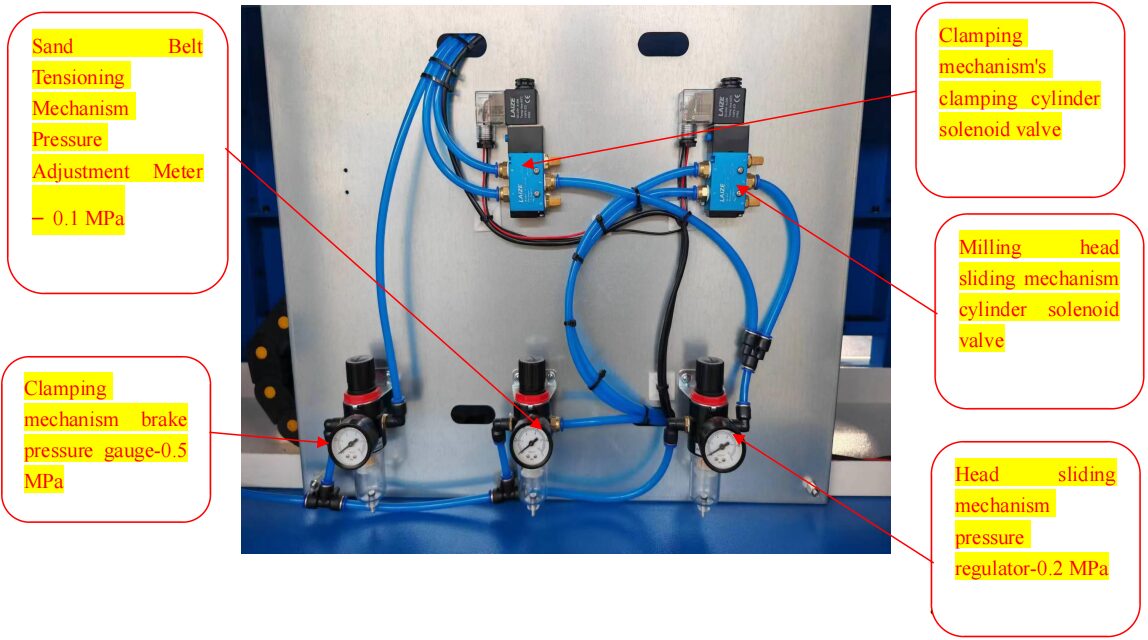
Figure 4: Startup Disk Diagram
Sand belt adjustment method: To correct left or right deviation of the sand belt, adjust the angle of the tensioning mechanism as follows:
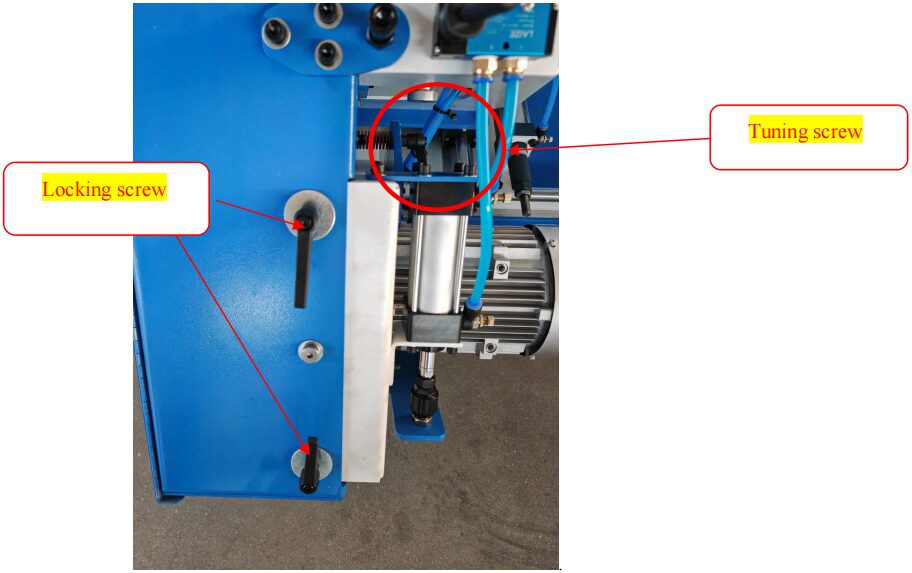
1. Loosen both locking screws, then rotate the alignment screw left and right until the sanding belt is positioned correctly.
2. Lock the two screws; sanding belt adjustment complete
4、Adjustment Method for the Grinding Platform of the Machine
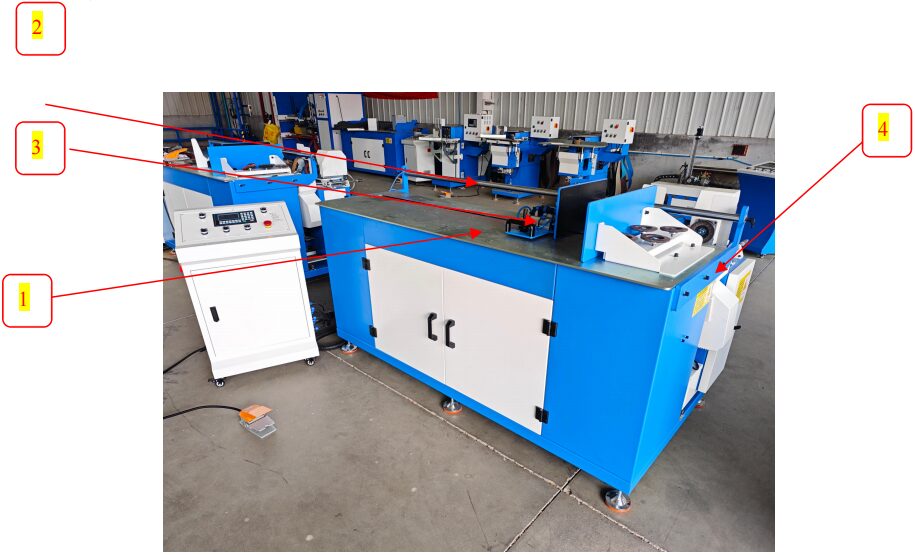
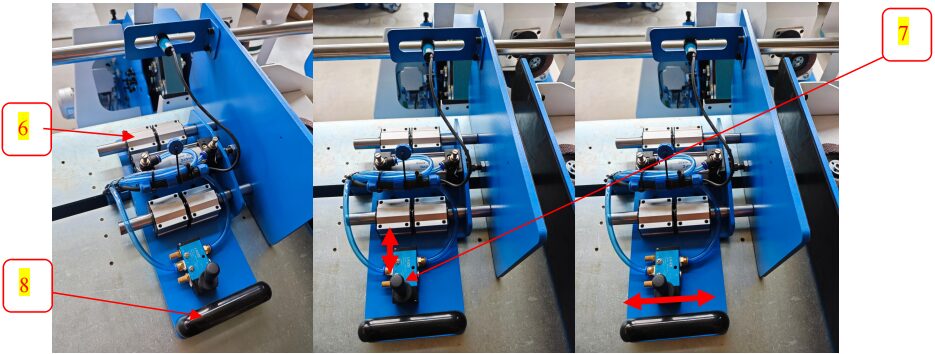
Figure 5: Schematic diagram of the workpiece placement platform
1. Workbench surface
2. Workpiece alignment ruler
3. Clamping mechanism
4.Adjustment screw for the support plate
5. Clamping cylinder
6. Manual valve
7. Handle of the clamping mechanism
4.1: Method for adjusting the workpiece placement platform
Place the workpiece on the platform and align it with the workpiece gauge (Figure 5-2). Open the manual valve of the clamping mechanism (Figure 5-7), move the clamping mechanism to a position 20 – 30 mm from the workpiece, close the manual valve (Figure 5-6) to secure the mechanism in place, and wait for grinding.
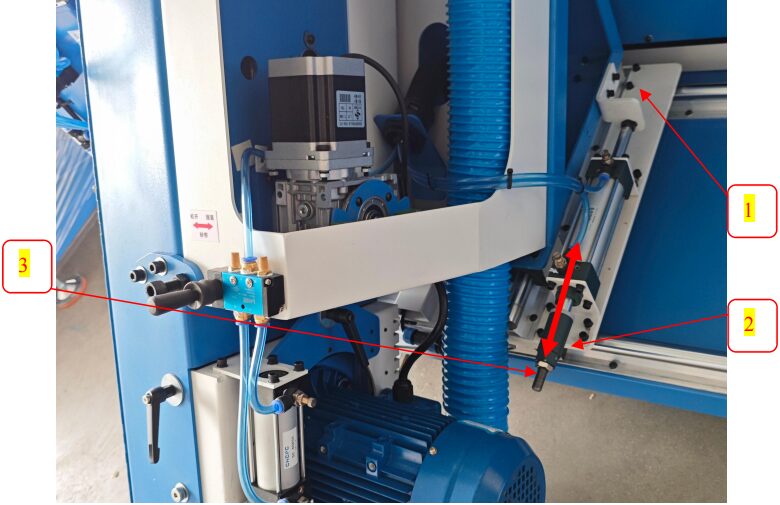
Figure 6
1. Grinding head slide seat 2. Travel cylinder 3. Travel cylinder adjustment nut
4.2: Method for adjusting the grinding distance between the front and rear of the grinding head
Method for adjusting the grinding amount at the cutting edge of the grinding head: 1.Loosen the securing screw on the workpiece gauge (Figure 5-4), then adjust its position forward (to reduce grinding amount) or backward (to increase grinding amount). 2. Loosen the adjustment nut of the stroke cylinder (Figure 6-3), set it to the desired position, and then tighten the nut (Note: When adjusting the stroke cylinder, ensure the distance between the grinding head slide seat (Figure 6-1) and the main body is not too close to avoid friction).
Usage instructions: During adjustment, ensure the distance between both ends of the workpiece and the plate is symmetrical and consistent!
5、Operating Instructions for the Control System of the Machine
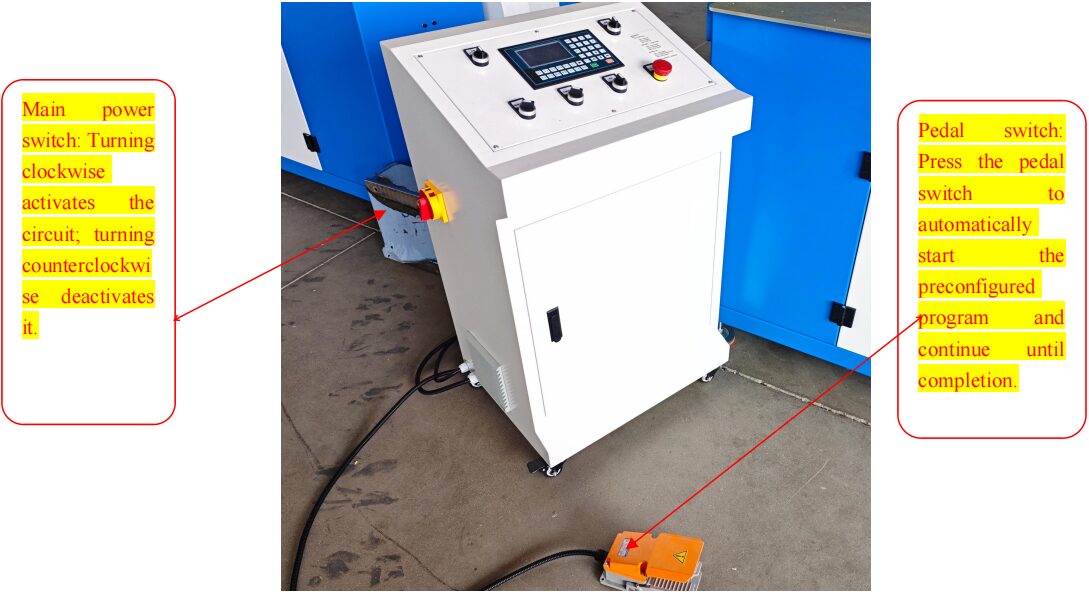
graph 7
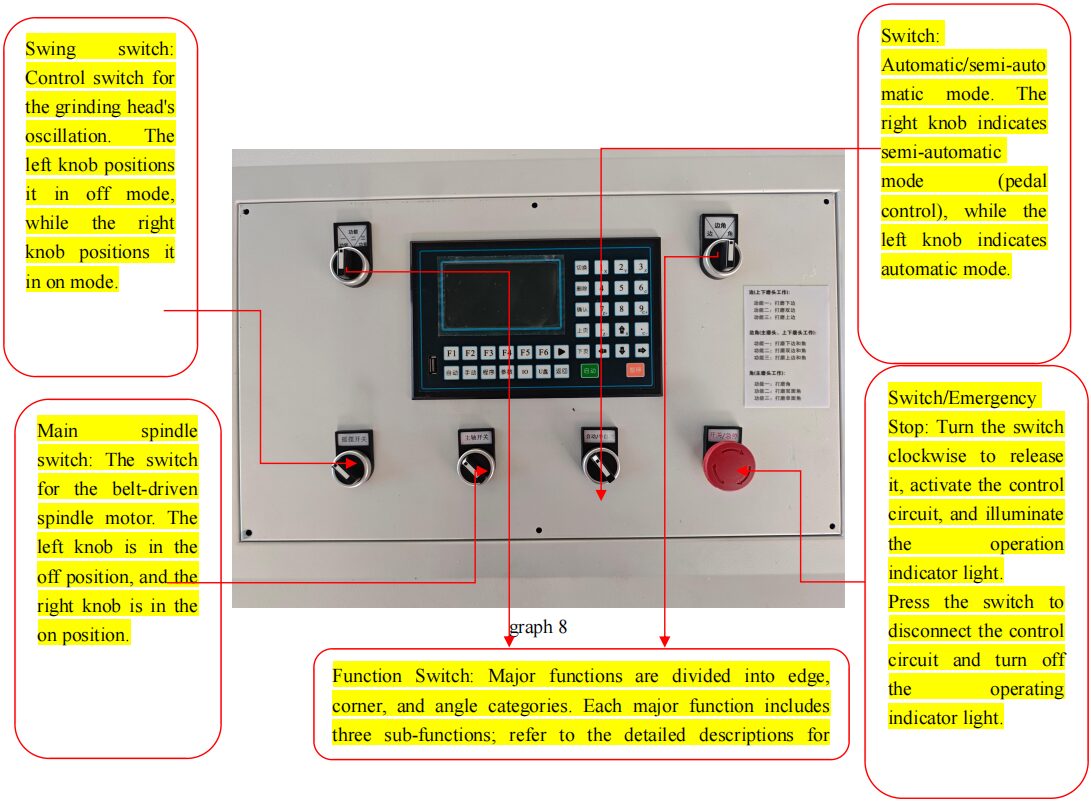
graph 8
5.1: Functional Description
1: Select the "Automatic" option on the left knob; the grinding distance does not need to be set. Press the pedal switch, and the grinding head will move forward from its initial position (with the sanding belt exposing 20–30 mm of the workpiece being optimal) toward the left at the time and speed preset in the system interface. Once the sensor detects the sensing bracket on the grinding head (again with the sanding belt exposing 20–30 mm of the workpiece), the grinding head will wait for the specified duration before moving rightward at the set speed back to the initial position, thereby completing the retraction procedure.
Note: The automatic mode uses sensors to control the grinding head's movement. No distance settings are required—workers simply lift and place workpieces and adjust direction. Pressing the switch automatically clamps and starts grinding.
2: Select the "Semi-automatic" option on the right side of the knob and press the foot pedal switch. The grinding head will then move forward from its initial position (with the sanding belt exposing 20–30 mm of the workpiece being optimal) to the left at the time and speed set in the system interface; after releasing the foot pedal (again with optimal exposure of 20–30 mm), the grinding head will wait for the specified duration before moving rightward at the preset speed back to the initial position, thereby completing the retraction procedure.
Note: Automatic and semi-automatic options share delay and speed settings.
3: Select the "Side" option on the right function knob to operate only the upper and lower grinding plates; the main grinding head remains inactive. The Side option offers three functions:
Function 1 – grind only the bottom side; Function 2 – grind both sides; Function 3 – grind the top side.
4: On the right function knob, select the "Edge and Corner" option in the middle. Both the top and bottom grinding plates and the main grinding head will operate simultaneously. The Edge and Corner option has three functions: Function 1 – Grind the bottom edge and corners;
Function 2 – Grind both sides and corners; Function 3 – Grind the top edge and corners.
5: On the right function knob, select the "Angle" option on the right side. Only the main grinding head will operate; the upper and lower grinding discs will not work. The Angle option has three functions: Function 1: Grind only the corner; Function 2: Grind both sides and the corner (this function does not have a semi-automatic mode); Function 3: Grind one side and the corner.
Note: Except for Option 2, which does not support semi-automatic mode, all other functions support switching between automatic and semi-automatic modes.
5.2: System Description
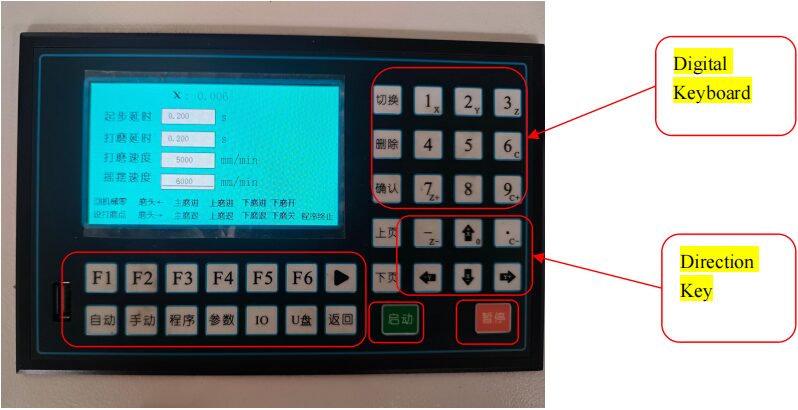
Figure 9: Control System Interface
5.2.1: Interface Description
(X: Displays the current position of the grinding head in real time.)
(Start delay: The waiting time before the grinding head begins operation; the exact value is set according to actual needs.)
Polishing delay: The waiting time after the grinding head reaches the program-set position; the exact value depends on actual settings.
Polishing speed: The lateral movement rate of the grinding head, with specific values adjusted according to actual polishing requirements.
Note: 1. For safety, enter the actual grinding speed; do not use excessively high or unnecessary speeds to avoid accidents caused by excessive speed or inertia.
2: Based on experience, the maximum grinding speed generally should not exceed 6000 mm/min; therefore, it is not recommended to set the speed above this value (use the appropriate value based on actual conditions).
Swinging speed: The oscillation speed of the grinding head, with a maximum limit of 6000 mm/min; the exact value shall be determined based on actual grinding requirements.
5.2.2: Description of the F1-▶ button
(F1 (Return to Mechanical Zero): When the program terminates, press F1 to move the grinding head to its fixed initial position.)
(Auto (Set grinding point): When the program stops, click Auto to reset the current grinding distance from the stopped coordinate value to 0, returning it to the initial position.)
(F2 (Grinding Head ←): 1: The grinding head moves left;
2: When the grinding head moves left to the device's limit position (reaching the lower limit switch), first select Manual until the head fully disengages from the switch, then press F1 (return to mechanical zero) to reset the head to its initial position. The grinding process can then resume normally.
(Manual: File head →): 1: Move the file head to the right;
2: When the grinding head moves to the right to the device's limit position (reaching the lower limit switch), first press F2 until the head fully disengages from the switch, then click Auto (Coordinate Zero). The grinding head will then return to its initial position, allowing you to continue running the grinding program normally.
(F3 (Main grinding): Click the F3 main grinding head to move forward and adjust the grinding position)
(Program (Main Grinding Head): Click to move the grinding head backward and exit the grinding position)
(F4 (Top grinding): Click F4 to move the grinding disc upward to the desired position)
(Paramenter (Top grinding stage): Click the paramenter to move the grinding plate downward and exit the grinding position)
(F5 (Lower grinding): Click F5 to move the lower grinding disc upward to the grinding position)
(IO – Down grinding): Click the IO lower grinding disc to move it downward and exit the grinding position
(F6 (lower grinding disc): Click F6 to start the lower grinding disc motor)
(USB drive (lower grinding stage): Click the lower grinding plate to stop)
(▶ (Program Termination): During program execution, click ▶ to stop the program;
Note: If the ▶ key (program termination) is used during program execution, causing the program to be interrupted and the grinding head to fail in returning to its initial zero position, immediately press F1 (Return to Mechanical Zero) to reset the grinding head to its starting position.
(Start: Click the "Start" button or press the foot pedal switch. The preconfigured program will automatically begin execution and continue until completion.)
(Pause: Click the "Pause" button to stop the program. Clicking "Start" again will resume execution.)
VI. Maintenance of the sand belt for the Machine type grinder
6.1: Determination of Sand Belt Service Life
When the frictional flame between the workpiece and the grinding belt is very weak, the sound becomes muffled, or grinding efficiency decreases, it is recommended to replace the grinding belt with a new one.
Note: Numerous factors influence the service life of sand belts, with different models and brands, as well as the grinding process of the workpiece, being the two primary determinants.
6.2: How to Improve Sand Belt Utilization Rate
When grinding small-sized workpieces (smaller than the belt width), adjust the grinding head's position by moving it left or right (see Section 5.1) to grind the workpiece on a new surface of the existing belt, thereby improving efficiency and enhancing belt utilization.
VII. Protection and Maintenance of the Machine
7.1 Safety Measures and Precautions
▲Important Notes – Warning!!!!
a) Do not place flammable substances inside the device, such as alcohol, gasoline, or diluents.
b. Do not operate the device when unattended!
c) A small fire extinguisher should always be kept nearby the equipment; a carbon dioxide or Haierong extinguisher is recommended. Dry powder extinguishers must not be used, as they can corrode many components within the equipment.
d) Ensure the working environment has adequate ventilation; use ventilation equipment to discharge exhaust gases and dust generated during processing outdoors, and implement appropriate environmental protection measures.
e) Following the recommended maintenance and cleaning procedures will not only enhance your processing efficiency but also improve machine safety and extend its service life.
f) If you detect any unusual abnormalities in the machine, immediately turn off the power and contact our company's relevant technical personnel to obtain necessary support.
g) Operators who have not carefully read the "Equipment Operating Instructions" or watched the "Training Video" shall not operate the machine; otherwise, our company shall not be liable for any resulting damages.
▲ Safety measures for sand belt grinding
a) This equipment is a high-speed rotating sanding machine with a sanding belt.
b) The sparks and dust generated during workpiece and belt grinding are primarily caused by friction between the workpiece and the high-speed rotating grinding belt. If the customer does not have accompanying dust extraction equipment, this area is completely unprotected; therefore, it is crucial to be aware of the path of sparks and dust, as the vicinity poses extreme hazards. Under no circumstances should any part of the body be brought into contact with these hazardous substances to prevent severe injuries. Even when dust extraction equipment is installed, there remains a narrow gap between the dust hood and the source of sparks/dust without any protection; similarly, the path must be carefully observed due to the high risk, and the same safety precautions apply.
c) Under no circumstances should you attempt to modify or disassemble this device! Such attempts are highly hazardous; if mechanical failure occurs, it may also void your warranty rights. If disassembly is absolutely necessary under special circumstances, always obtain prior authorization and guidance from qualified technical personnel (except for sanding belt replacement –always follow the manufacturer's instructions strictly).
▲ electrical safety
a) The machine must be properly grounded;
Poor grounding can damage the control circuit during high-voltage discharge and even pose a life-threatening risk!!!
b) Power Supply: This device operates on a three-phase 380 V/50 Hz alternating current power supply. Fluctuations in supply voltage may cause unstable operation of the device, while excessively high voltage can lead to permanent damage to the power system. Please monitor the voltage levels closely.
c) It is strictly prohibited to disassemble any components while the system is powered on and operating;
d) If the equipment remains idle for an extended period, the power supply must be disconnected;
e) Avoid turning on your devices during thunderstorms or lightning strikes.
f) During winter, the climate is dry and static electricity is more pronounced. Special attention should be paid to grounding safety; regularly inspect the grounding system and measure the ground voltage to ensure proper grounding and prevent electrostatic injuries.
7.2 Maintenance and Care
Spending a few minutes each day cleaning the moving internal components of the equipment and applying appropriate lubricating oil or grease to areas requiring lubrication will significantly extend its operational lifespan and improve performance.
■ Bed Surface Maintenance
a) For the equipment itself, the power supply must be properly grounded.
b) The equipment itself must be kept clean, particularly the interior of the grinding head. Moving components should be regularly wiped clean and coated with a thin layer of lubricating oil to prevent rusting. All fastening screws on the equipment must be carefully inspected weekly for any signs of loosening or detachment, ensuring timely re-tightening when necessary.
c) The bottom housing, main body, sliding mechanism, clamping mechanism, and control box should have their surfaces regularly cleaned of dust or debris; screws should be checked for looseness and re tightened. The internal components— including the pneumatic disc, motor, drag chain, and gear rack — should be periodically cleaned of dust, with screws inspected for looseness and maintained accordingly.
d) Ensure the exhaust vent of the vacuum hood remains unobstructed; remove any covering materials promptly to maintain clearance.
e) Perform regular annual oil changes on the swing motor reducer as part of maintenance.
f) Once the equipment is operational, thoroughly clean all dust from inside the grinding head before the end of the workday, especially around the oscillating motor and the belt drive spindle motor (dust entering the motor shaft can easily cause damage and shorten its service life). Motor failures resulting from this practice are not covered under the company's warranty.
VIII. Common Fault Symptoms and Solutions for the Machine
question | terms of settlement |
|---|---|
During operation, the machine exhibits vibration and significant noise. | 1: If uneven ground causes instability, relocate the machine or adjust its base height to ensure full contact with the ground and complete stability. 2: During belt tensioning of the motor spindle, excessive air pressure in the tension cylinder requires adjustment (optimal pressure ≤ 0.15 MPa). 3: The sanding belt interface must be a flat interface; 4: Inspect all fastening screws on the grinding head for any signs of loosening; 5: Adjust the sand belt installation for improper tension or height; readjust it to achieve optimal performance. |
The grinding of the corners and edges is uneven. | 1: Check whether the workpiece support plate on the platform is symmetrical at both ends; 2: Adjust the startup delay and refine the polishing delay duration; 3: Measure the distance between the grinding head's initial position, target position, and the workpiece using a sanding belt 4: Adjust the angle and distance of the grinding head's oscillating arm to ensure consistent lateral swinging angles and distances for the roller brackets; |
The main switch is turned on, so there is no power. | 1: Open the electrical box door and close the circuit breaker; 2: Check for any open circuits; |
Appendix I: Performance Parameters and Technical Specifications of the Machine
product model | Smart-1000/1500 |
|---|---|
Grinding workpiece length (mm) | 0-1000mm/1500mm |
Grinding Speed | 0-6000mm/min |
aggregate capacity | 4.2KW |
Sand Belt Specifications | 2100X50mm |
Environmental Temperature *1 | -15℃~45℃ |
length | 1950/2450*1570*1160 |
Power Supply *4 | Three-phase electricity: 380 V ±5%,50 Hz ±2% |
weight | 617kg/710kg |
Thank you for purchasing our products. If you identify any areas for improvement while using them, please feel free to provide your valuable feedback so we can continuously enhance our designs and product quality.